
Rosi BMS - The Rosi Background Music Software
Rosi Systems have developed a world-leading audio playback platform.
From a standalone single-zone system in a pub or gym, through hotels and conference centres to huge scale multi-channel systems on the most prestigious cruise liners in the world, our platform has the versatility, quality and reliability to be used in any setting! – Rosi Background Music Software (BMS) is designed to be a total solution to play background music. Rosi BMS has market leading functionality and stands out from any other background music software.
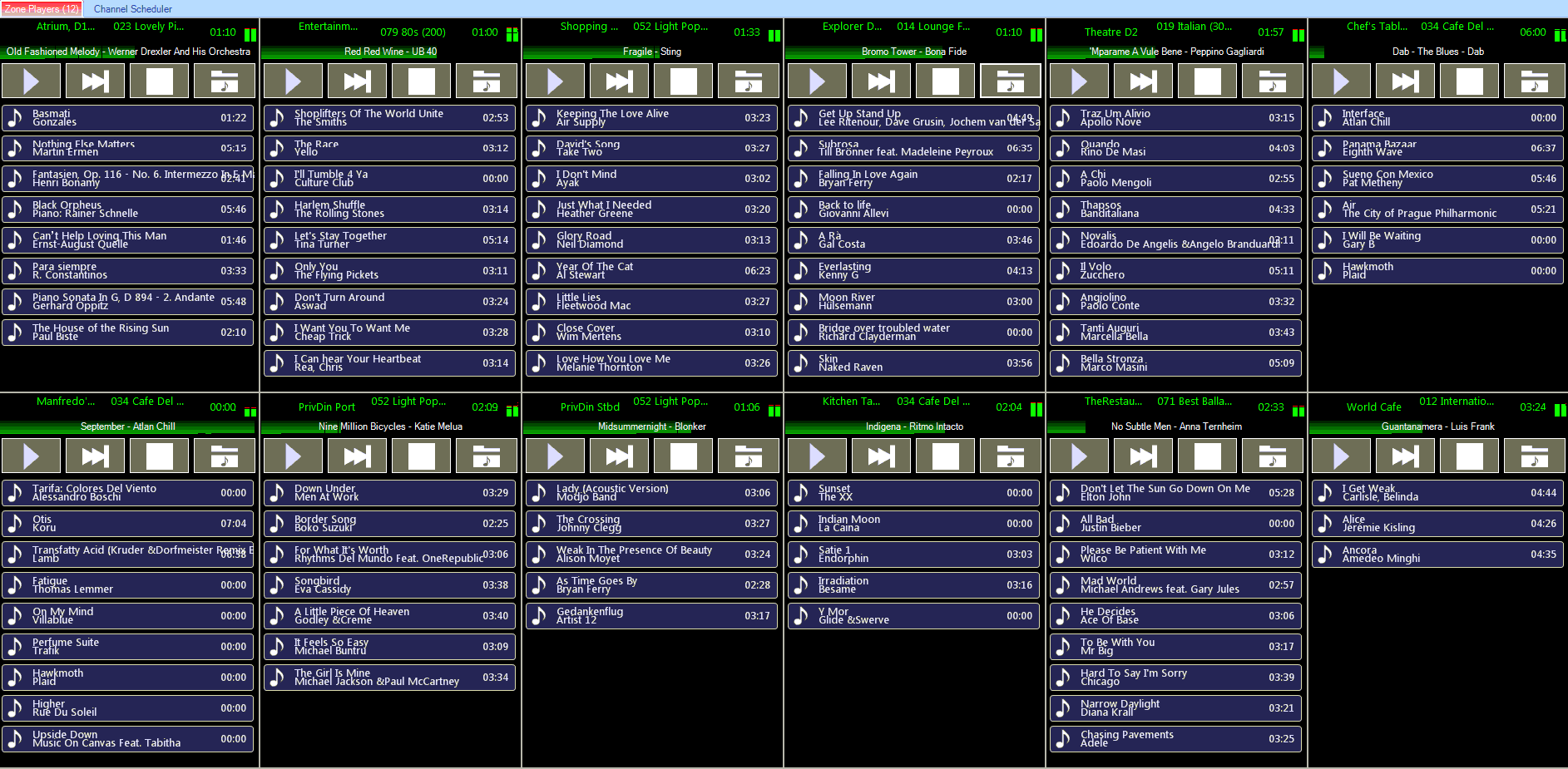
The system can run a unlimited number of music zone players (maximum of 32 zones per PC, but can work across multiple workstations), each of which can be assigned to a separate sound card output and routed to a different area in your premises (e.g. one for the bar, one for the restaurant, etc). Music playlists can be created, scheduled and played.
There is a playlist scheduler within the software so each zone player can be made to start or stop at any given time on any given day of the week, and to choose which playlist to play. Therefore each zone can change style and genre as often as you wish.

A single site restaurant can stream their audio or run it from a PC that may be used for other purposes.
For large scale installations we use a server with multiple playback machines. This gives the opportunity to have an unlimited number of distinct playback zones – so from one music zone upwards, we have a solution tailored to your needs! For instance, we have recently provided a cruise ship with a 24-zone background music playout system!
Installation
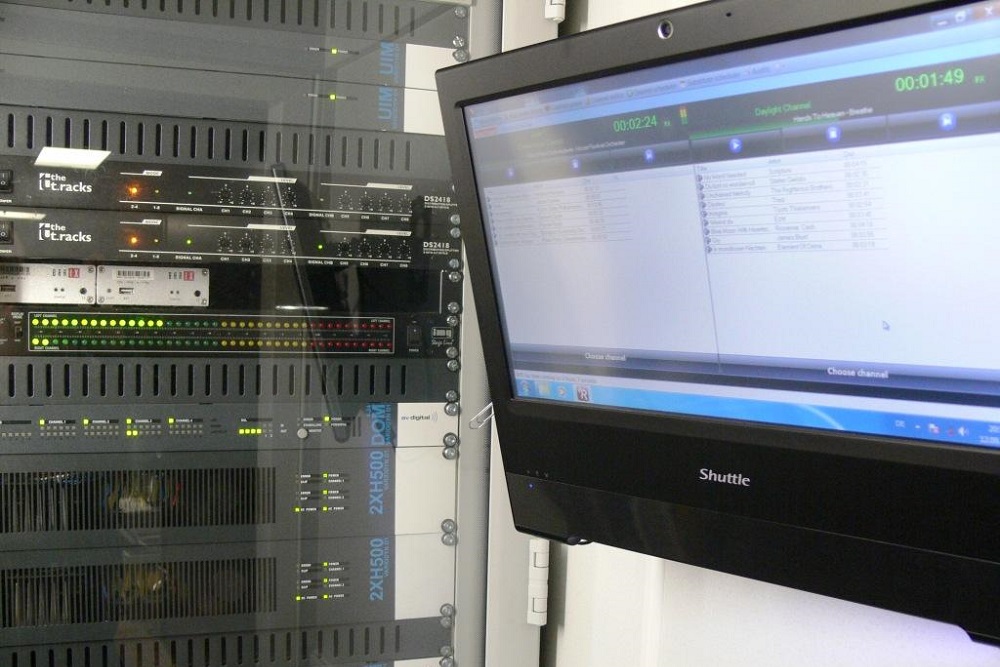
We can install the Background Music System system for you, or if you’d prefer to do this yourself then we’ll help you or your contractors with any questions you have. Rosi Systems supply hardware customised for your business. Options include rack mounted, free standing or mini PCs.
Installation is simple. Your Rosi Background Music System computer will come pre-configured with music and software. Just plug into your PA system and that’s it. We recommend that your Rosi Background Music System is connected to the internet. We deliver music and software updates automatically to your machine overnight. We also provide remote technical support, so if you need help we can connect to the computer and take control from our offices.
Features
- In-built automatic volume control and compressor – gives consistent audio levels.
- Stable! Rosi BMS is extremely reliable.
- BMS handles up to 6 zones simultaneously, with management and changes to music or schedules possible via menus on the machine itself or remotely via our management software suite MLM. Each zone operates totally independently and can carry a different schedule.
- Our server version, vBMS, can play up to 32 zones or streams simultaneously.
- Updates to BMS can be delivered via broadband internet connection or monthly CD/DVD.
- The most advanced ‘on-the-fly’ music scheduling algorithm in any background music product. Wave goodbye to repeated songs and artists and say hello to the best possible combination of music.

Specification
 |
Support for WindowsTM 10 (32/64bit) |
 |
Works with any Windows sound card, so no specialist hardware is required (supports WASAPI and ASIO) |
 |
Stable! Rosi BMS is extremely reliable and it can work 24/7/365 without issues. |
 |
Plays the most common audio formats. MP2, MP3, WAV, M4A and WMA. |
 |
Handles up to 32 zones simultaneously from one PC. Each zone can carry a different schedule. You can run more than 32 zones using multiple workstations. |
 |
Automatic volume control. Every song will play at the same volume. |
 |
The most advanced music scheduling algorithm in any background music product. Wave goodbye to repeated songs and artists and say hello to the best possible combination of music. |
System Requirements
Minimum:
- Windows 10 Home
- 4 GB Ram
- 2.5Ghz dual core processor
- Hard disc with enough capacity for the songs needed (ideally SSD)
Recommended:
- Windows 10 Professional
- 8 GB Ram
- Intel i7 processor, quad core.
- Solid state hard disc
Enterprise customers
For large enterprise installations, BMS can act as an endpoint, automatically receiving music and non-music content from a central server. This makes deploying the same music across multiple sites easy.
Centrally distributed content is encrypted, meaning audio files are fully protected from piracy. Our encryption technology confirms to IEEE P1619 standards.
Our flexible ‘MLM (Master Library Management)’ network handles distribution of content, with secure internet based delivery.
If you have a network of BMS installations, you may wish to distribute different music or promotional messages to different groups of shops, hotels or venues, be it based on geography (cities, regions, countries etc) or sizes of shops, hotels or boats, or WHATEVER criterion you wish to use, Rosi MLM can manage the distribution of that content to each and every BMS installation based on the selection criteria you use. MLM can manage a handful of BMS systems up to thousands, and the content is sent to the right places, is installed on local machines and starts playing within minutes of new configurations being set from “head office” on Rosi MLM.
Obviously each MLM installation we manage with its individual cluster or clusters of BMS slaves is bespoke and arranged exactly to your requirements, so do please feel free to get in touch and we we can tailor make your system to exactly suit your needs. You can host MLM on your servers with all your own content, or we can manage the whole thing from our side, with our music and our production suites providing the adverts or messages, or indeed any combination of the two, so please do get in touch to start a discussion of how we can serve your needs! Use the contact form at the bottom of this page!
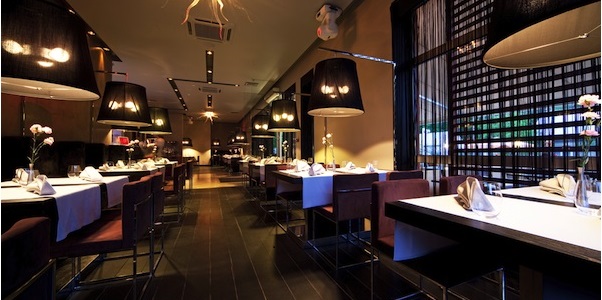
Who uses our Background Music Software
Hotels
Background music for receptions and restaurants. Messages can be included if required.
Supermarkets and food stores
Background music and promotional messages.
Spa Resorts
Play six zones of background music from one computer. The Pool, the Steam Rooms, The Cafe, the Gym etc etc
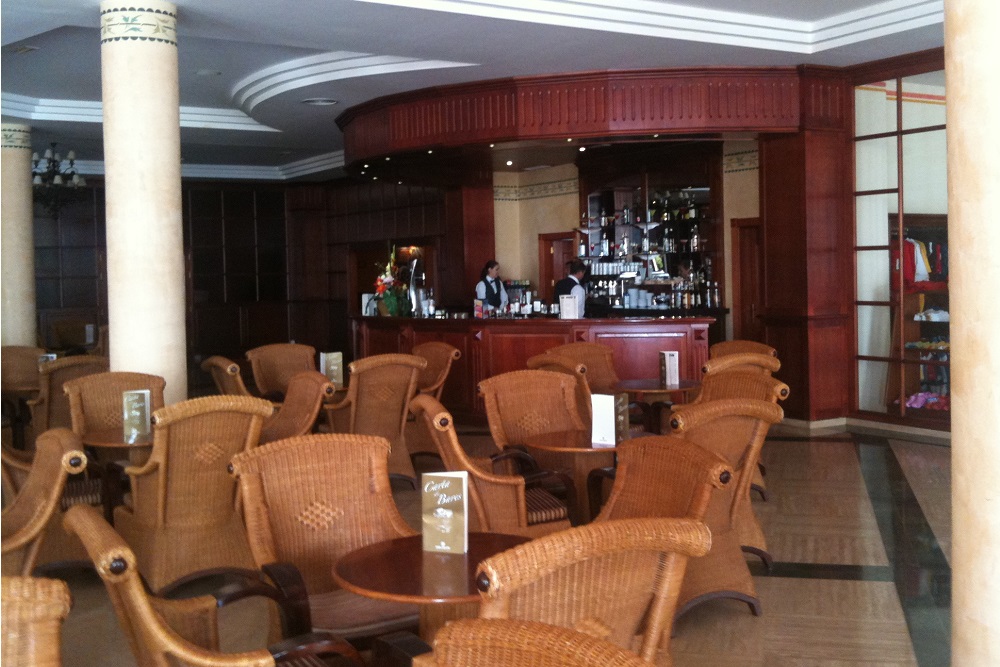
Bars
Play background or foreground music which is perfectly chosen and mixed for your customers.
On hold music
Play music and informative announcements to your customers when they’re ‘on hold’
Doctors/Hospital waiting areas
Play music to relax patients and also provide a degree of privacy at the reception desk
Cruise Ships
A floating hotel to all intents and purposes, our multi-zone system is ideal here, along with route specific announcements which are triggered by the boat approaching certain geographical locations and landmarks.

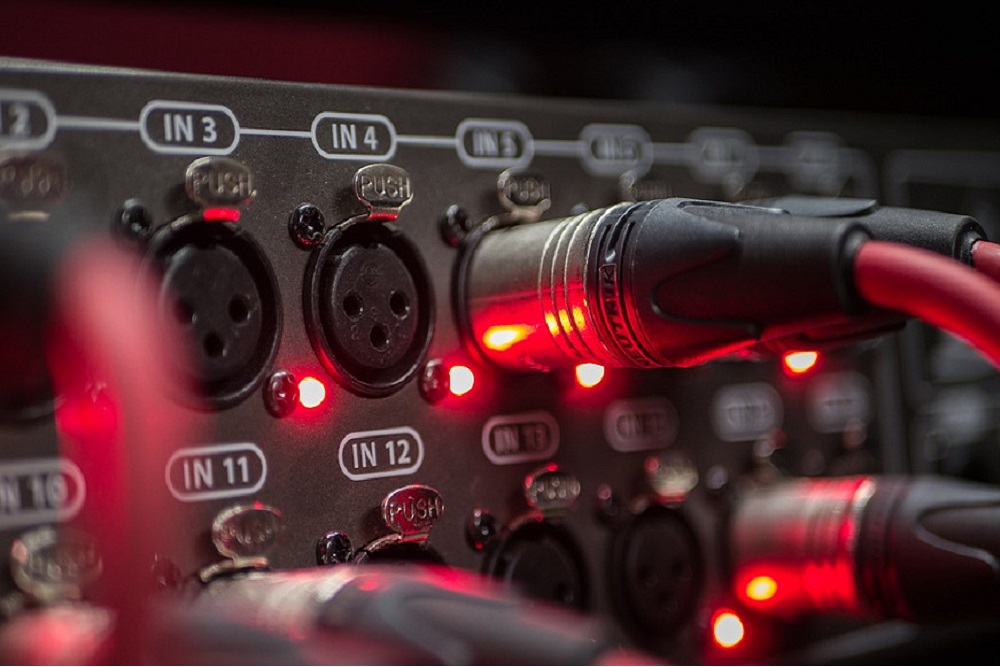
Rosi Background Music and DJ products can integrate with networked audio systems, such as DANTE from Audinate. Using the Dante virtual soundcard drivers, multiple zones can be delivered straight into an audio mixing/routing engine.
Pricing
Our BMS and vBMS software is available to lease at competitive rates, with ongoing e-mail assistance and support with free updates to the latest versions. Some customers prefer to buy outright, and this option is also available,
Leasing terms: 12 months minimum contract, discounts available if you sign up for 3 years or more….
BMS/vBMS Software with one zone or stream, £27.49 GBP per calendar month, add extra zones/streams for only £5.49 GBP/month, so that’s a 4 zone system for only £11.34 GBP per WEEK!!
Purchase outright: BMS/vBMS Software with one zone or stream £499 GBP, add extra zones/streams for just £100 per zone/stream.
The above prices are for the software only – we are happy to also provide an appropriate PC and/or sound cards and/or music libraries and/or service management contracts too – whatever you need, we can provide a package tailored to your precise needs!
Try out our BMS software for free for a month!
You’ll find a fully working trial version you can download and test out for free with no obligation, along with the user guide HERE on our download page, or get in touch with us for other demo options!
Now Get in Touch!
Feel free to get in touch with your general product inquiries and specifications –
We’d love to hear from you and we’ll try to help if we can!
The easiest way to get in touch is to fill in this form and we’ll reply within 24 hours!
If you want an idea of how we can work with your business, don’t forget to tell us what you’re aiming to achieve –
For Background Music, how many separate sites do you have, how many areas in each are you looking for your music system to fill??
If you want a radio service, is it just music, or with promotional messages too? Your own music or our Library? etc